



Mānuka's Superpowers
|
Buying Manuka Honey for Your Parents? 5 Practical Things to Decide Before Ordering
When buying Manuka honey for your parents, these five choices matter more than simply picking the highest MGO number.
Last updated:

Table of Contents
Author
-

Krista Bugden
If you’re looking to send your parents a thoughtful gift, Manuka honey is a wonderful choice. Yet, you might begin getting lost in the MGO numbers, jar sizes, and prices. You might quickly find yourself overthinking things or digging into more research than you planned.
However, rest assured that the jar with the biggest number and the biggest price tag isn’t automatically the right one. A well-chosen gift usually comes down to five practical decisions, and none of them require your parents to do any homework. Here’s what to check before you hit order.
1. Decide How Much MGO Strength They Actually Need
Begin with how well your parents already know Manuka honey.
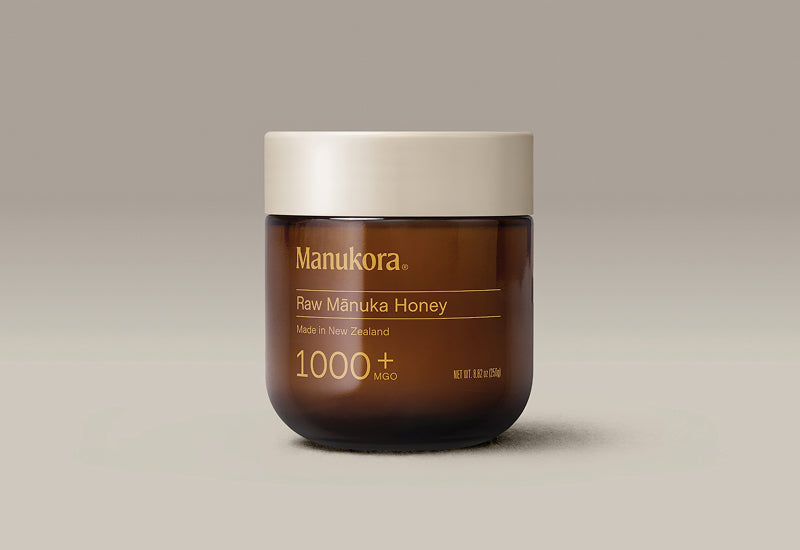
MGO refers to the honey’s methylglyoxal strength. MGO 600+ is a comfortable everyday option, MGO 850+ is a step up in strength, and MGO 1000+ is the highest in Manukora’s regular Manuka honey range. A parent trying Manuka honey for the first time may be perfectly happy with 600+. However, one who already buys it may appreciate 850+ or 1000+.
Here’s a simple way to think about it:
|
If Your Parents… |
Consider |
|
Is new to Manuka honey |
MGO 600+ |
|
Already enjoys Manuka honey and wants greater strength |
MGO 850+ |
|
Specifically prefers the highest standard MGO strength |
MGO 1000+ |
|
Has no preference yet |
Start with the option that best fits your gift budget and their likely routine |
2. Choose a Jar Size They Will Realistically Use
Before picking a size, picture how honey currently shows up in their kitchen. Is it part of every breakfast, or does a jar hang around for months? Will one parent use it, or will both dip into the same jar? Will they have it most days, or only now and then?
For context, our usual guidance is one to three heaping teaspoons daily (about 14 grams per teaspoon). From there, check the jar weight in grams so you know what you’re actually getting.
It’s also a good idea to check the best-before date, especially if you’re ordering a larger quantity. The goal is to grab a jar they’ll happily work their way through, not a giant one that becomes a permanent resident of the kitchen cupboard.
3. Think About How They Will Actually Enjoy It
The best gift suits their taste and fits easily into something they already do or enjoy.
Manuka honey is naturally sweet, with deeper earthy, herbal, and creamy caramel notes compared to traditional honey. MGO, however, isn’t a sweetness indicator, so don’t get tricked into using that number to determine how sweet a honey may be. Often, a higher MGO number gives way to a bolder taste.
As for how your parents may enjoy it, it can be taken straight from a wooden or stainless steel spoon, or stirred into tea, coffee, or lemon water after the drink has cooled for 30 to 60 seconds. A spoonful over plain yogurt can be delicious, too.
4. Check Whether It Fits Their Existing Food Routine
Before ordering, make sure honey sits comfortably within your parent’s usual diet and any dietary guidance they may already follow.
Manuka honey naturally contains sugars and calories, so you want to ensure it won’t overdo it in these areas. It’s also worth considering whether they already use honey or other sweeteners regularly. If your parent has specific guidance around sugar, carbohydrates, allergies, or diet, check that honey fits before you gift it.
5. Compare What You Can Verify About the Jar
Once you’ve narrowed down strength and size, look at what the brand can actually show you about the honey. This is often the tie-breaker.
Useful details to look for include a clearly stated MGO grade, the ingredient list, the country and source of the honey, batch or lot details, the best-before date, a QR code or other meaningful traceability, testing information, responsible sourcing practices, and relevant third-party certifications.
If two jars have a similar MGO grade and price, go with the one that tells you more clearly what’s inside, where it came from, and how it was verified.
Why Manukora Could Be a Good Fit for a Gift for Parents
At Manukora, every jar has a QR code your parents can scan to learn about the honey’s source and the beekeeper behind it, which also makes a nice little conversation starter over breakfast. The MGO grade is also clearly labeled, so there’s no guessing what’s in their jar.
Ready to explore our options? Shop Manukora today!
FAQs
Which MGO grade is a good gift for parents?
For someone new to Manuka honey, MGO 600+ is a practical choice. MGO 850+ or 1000+ may suit a parent who already enjoys it and specifically prefers greater MGO strength.
Should I buy the highest MGO grade as a gift?
Not necessarily. A higher MGO means greater methylglyoxal strength, yet the best gift also depends on your budget, their taste and routine, and whether they already use Manuka honey.
Is Manuka honey a good gift for someone who has never tried it?
It can be, especially if they already enjoy honey or simple single-ingredient foods. A practical grade and jar size may suit them better than starting with the most premium option.
What jar size should I buy?
Go by how often they’re likely to use it. A smaller jar makes sense for a first experience, while a larger one may suit someone who already enjoys Manuka honey regularly.
How can my parents use Manuka honey?
At Manukora, we recommend one to three heaping teaspoons per day, ideally straight from a wooden or stainless steel spoon or stirred into a drink that’s come off boiling and has cooled for 30 to 60 seconds.
What should I check before buying Manuka honey online?
Look at the MGO grade, ingredient list, jar weight, best-before date, source, testing information, traceability, and final price before ordering.
Can I choose an MGO grade based on my parent’s health condition?
No MGO grade should be chosen based on a health condition. Pick according to preferred strength and routine, and follow any dietary or medical guidance your parent already has.
Table of Contents
Author
-
Krista Bugden